


.png)

How to Design Custom Home Furniture: A 2026 Guide
Table of Contents
Why Design Custom Home Furniture Instead of Buying Off-the-Shelf
The Custom Furniture Design Process: From Idea to Finished PieceStarting with a Design ConsultationCreating Sketches and Technical Drawings
Starting with a Design Consultation
Creating Sketches and Technical Drawings
How to Measure Space for Custom Furniture Accurately
How to Choose Wood Species for Your Custom Furniture
DIY vs. Professional Commissioning: What's the Right Call?
The Benefits of Commissioning Handmade Wood Furniture
Budgeting, Timelines, and Protecting Your ProjectUnderstanding Costs and Lead TimesThe Commission Contract: Your Legal Safety NetWhat Happens If You Change Your Mind?
Understanding Costs and Lead Times
The Commission Contract: Your Legal Safety Net
What Happens If You Change Your Mind?
Start Your Custom Home Furniture Project Today
Frequently Asked Questions
Last Updated: September 5, 2026
Why Design Custom Home Furniture Instead of Buying Off-the-Shelf
Off-the-shelf furniture forces your home to conform to someone else's idea of proportion. Custom home furniture flips that equation, letting your space, storage needs, and aesthetic preferences drive every dimension and detail.
At Richard Gentry Designs, we have spent over 25 years guiding homeowners through this exact process. The most common feedback we hear is that people settle for furniture that is "close enough" because they do not realize how accessible true customization is. When you commission a piece, you are not just buying an object; you are investing in a solution engineered for your daily life, from the height of a kitchen island to the depth of a hallway console.
The real value emerges when you understand that the custom furniture design process is a partnership. You bring the vision and the functional requirements; the maker brings technical expertise in joinery, wood movement, and structural integrity.
The Custom Furniture Design Process: From Idea to Finished Piece
The custom furniture design process is a structured journey that moves from broad conceptual discussions to precise technical specifications. It is a sequence of phases designed to eliminate guesswork and ensure the final piece matches your design intent.

Starting with a Design Consultation
Every successful project begins with a design consultation. This is where you articulate your needs, lifestyle, and aesthetic style. Expect to discuss how you use the room daily, whether the piece must accommodate specific electronics or tableware, and what visual mood you want to achieve.
Bring photos of rooms you admire, noting what appeals to you about the wood grain, proportions, or hardware. A skilled designer will translate these references into a coherent concept. Be candid about your budget constraints so the maker can suggest materials that honor both your vision and financial plan.
Creating Sketches and Technical Drawings
Once the conceptual design is agreed upon, the maker produces scale drawings detailing every dimension, from the overall footprint to the thickness of the tabletop. These technical specifications serve as the contract for the build, documenting joinery methods, finish samples, and material selection.
This stage is your opportunity to catch potential issues before any wood is cut. Review the ergonomics: Is the chair seat height comfortable for your table? Will drawer pulls interfere with the adjacent wall? A scale drawing helps you visualize the piece in your floor plan, preventing costly mistakes.
How to Measure Space for Custom Furniture Accurately
Accurate measurement is the single most critical technical skill in designing custom home furniture. A common mistake is measuring only the width and depth of an alcove, neglecting the height, floor levelness, and the path the piece must travel to reach its destination.
Start by creating a rough floor plan of the room, noting doors, windows, outlets, and heating vents. Measure the exact dimensions of the space where the furniture will live. Then measure the "travel path", will a large dining table fit around a corner and through doorways? This spatial planning is essential for oversized pieces.
Here is a practical checklist to use:
Measure width, depth, and height of the target space at multiple points (walls are rarely perfectly straight).
Measure doorways, hallways, and stairwells along the delivery route.
Note the location of floor vents, baseboard heaters, and light switches that could restrict placement.
Use masking tape on the floor to outline the proposed furniture footprint and walk around it to test clearance.
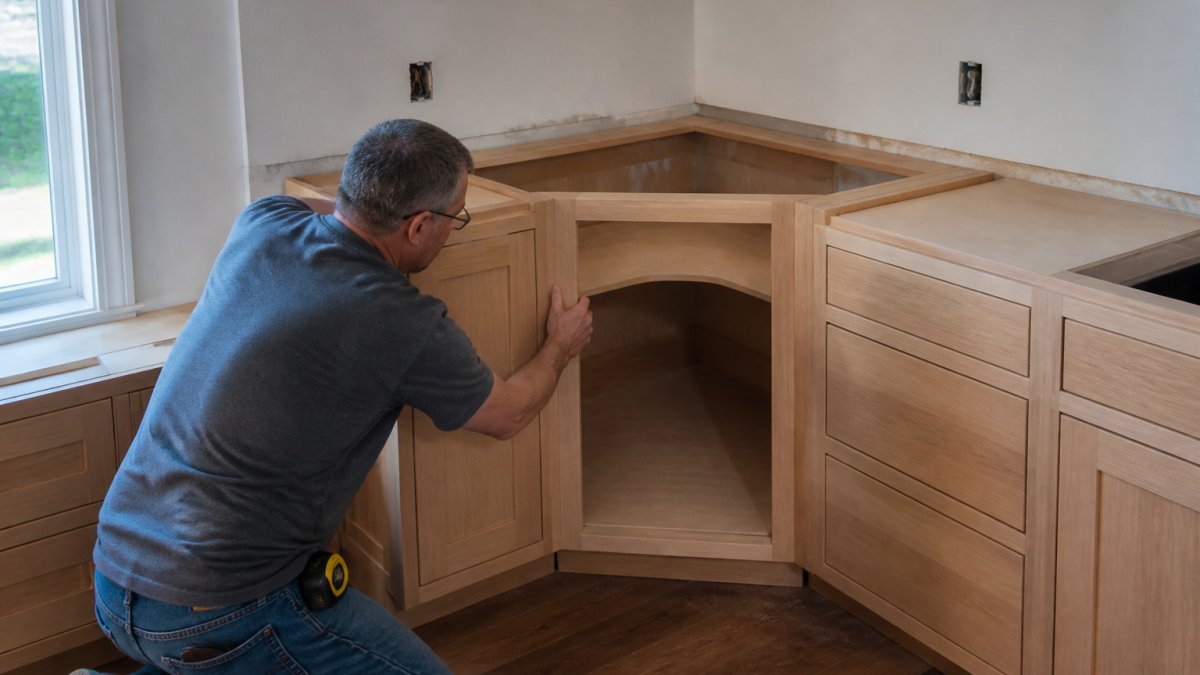
For awkward angles and corners, a paper template or a simple 3D model using cardboard can be invaluable. This layout exercise helps you verify that your custom dimensions will function in the real space, not just on paper.
How to Choose Wood Species for Your Custom Furniture
Choosing the right wood species balances aesthetics, durability, and budget. The grain, color, and hardness will define the character of your piece and how it ages over time.
Hardwoods are the standard for heirloom-quality furniture. Walnut is prized for its rich, chocolate-brown tones and striking grain, a favorite for dining tables and desks (wood-database.com). Oak offers a prominent, open grain and exceptional durability for high-traffic pieces. Cherry darkens beautifully with age, developing a warm, reddish patina (wood-database.com). Ash provides a lighter, more subtle grain and is often chosen for its strength and flexibility in chair design.
Consider the wood's character. Ambrosia maple features unique streaks caused by insect activity, offering a distinctive look at a more accessible price point. Reclaimed woods, such as antique chestnut, bring history and a patina that new lumber cannot replicate. Discuss the trade-offs between hardness, stability, and cost with your maker.
DIY vs. Professional Commissioning: What's the Right Call?
A major fork in the road for any custom project is deciding between tackling it yourself and commissioning a professional. The DIY route appeals to those with woodworking skills, the right tools, and, critically, the time. Building a simple bench or bookshelf can be a rewarding weekend project, but designing and building a complex piece like a dining table with proper joinery and a flawless finish is a significant undertaking most hobbyists underestimate.
Professional commissioning becomes the right call when the project requires precision, structural integrity, and a finish that will last for decades. A professional maker brings years of experience to anticipate problems with wood movement, material selection, and structural design that a novice might not foresee, along with access to professional-grade tools and kiln-dried lumber.
Consider this comparison to guide your decision:
Consideration | DIY Build | Professional Commissioning |
Time Commitment | Hundreds of hours | Lead time of weeks to months |
Tool Investment | High cost for quality tools | None (included) |
Skill Level | Advanced woodworking required | Any (artisan handles technical work) |
Material Cost | Retail lumber prices | Wholesale + maker's expertise |
Risk of Error | High (costly mistakes) | Low (maker accountable) |
Final Quality | Variable | Guaranteed craftsmanship |
If you are considering a DIY project, start small and be honest about your skill ceiling. For a centerpiece piece that must fit a specific space and withstand daily use, commissioning a professional is the safer and often more satisfying path.
The Benefits of Commissioning Handmade Wood Furniture
The benefits of commissioning handmade wood furniture extend far beyond a perfect fit. You are investing in a piece that reflects your specific design vision, executed with a level of craftsmanship that is increasingly rare, furniture designed to become an heirloom, built to be repaired and passed down, not replaced when trends shift.
What most reviews miss is the collaborative advantage. When you work directly with a maker, you gain a partner who can suggest improvements you hadn't considered, a different joinery technique for added strength or a subtle change in proportion that improves visual balance. This ensures the final product is not just what you asked for, but what you truly wanted.
This approach also aligns with sustainable values. Commissioning a piece means sourcing materials for a specific project, often from local or reclaimed suppliers, rather than supporting mass production. The result is a reduction in waste and a smaller environmental footprint, and you avoid the costly, wasteful cycle of buying and discarding cheap furniture.
Budgeting, Timelines, and Protecting Your Project
Understanding Costs and Lead Times
The cost of custom furniture reflects the materials, the maker's time, and the complexity of the design. Unlike retail prices set by a catalog, custom quotes are tailored to your specific project. For context, a handcrafted dining table from Richard Gentry Designs might range from a simple farm table at $2,850 to a complex piece in premium walnut and ebony at $6,500.
Lead times are equally variable. A skilled maker often has a queue of projects, so expect a lead time of several weeks to a few months from consultation to delivery. This is critical if your project is tied to a renovation timeline. Start the conversation early and get a realistic production schedule in writing before you commit.
The Commission Contract: Your Legal Safety Net
Most design guides treat the contract as a simple formality. In reality, a well-drafted commission agreement is your primary legal protection in a transaction involving thousands of dollars and several months of waiting. A handshake might work for a $200 nightstand, but a $6,000 dining table demands a written agreement that anticipates problems.
Here is what a robust commission contract should clearly specify, beyond just the final price:
Detailed Design Specifications: The contract should reference the final, approved technical drawings by date and revision number. This locks in the exact dimensions, joinery methods, and hardware. If the maker deviates from these drawings, they are responsible for correcting it at their own cost.
Material Selection and Provenance: The contract should name the specific wood species and, if relevant, the grade and source (e.g., "FSC-certified white oak"). It should also specify the finish system (e.g., "three coats of hardwax oil"). This prevents a maker from substituting a cheaper or lower-grade material without your consent.
A Detailed Payment Schedule: A common pattern is a 50% deposit to secure the build slot and cover material costs, with the balance due upon completion and before delivery (furnituretoday.com). Be wary of makers who require a 100% upfront payment. The schedule should also define what happens if you cancel the project. Typically, the deposit is non-refundable once materials have been cut, but you should be entitled to a refund of any unused portion if you cancel before production begins.
A Defined Approval Process: The contract should state that you must approve the final technical drawings and a physical finish sample before production begins. This approval should be documented in writing (an email is sufficient). This is your final opportunity to make changes without incurring extra charges.
A Delivery and Installation Clause: Specify the delivery date or a reasonable window (e.g., "within 8-10 weeks from approval of drawings"). The contract should also state who is responsible for delivery, white-glove installation, and any damage that occurs in transit. If the maker is responsible for delivery, they should carry insurance to cover any damage until the piece is in your home.
A Change Order Mechanism: You will likely want to make a change after production begins. The contract should require that any change be documented in a written "change order" that states the impact on both the price and the timeline. This prevents verbal agreements from becoming disputes later.
A Dispute Resolution Clause: While no one wants to think about a project going wrong, the contract should specify how disputes will be handled. A simple clause stating that any disagreements will first be addressed through mediation in your state before any legal action is taken can save both parties significant time and money.
What Happens If You Change Your Mind?
Before any wood is cut, you will typically be asked to approve the final scale drawings. This is your final opportunity to make changes without financial penalty. Once production begins, alterations can be costly and may delay the delivery date. A reputable maker will communicate clearly if you request a change, explaining the impact on both the budget and the timeline. This transparency is a hallmark of professional commissioning and prevents misunderstandings down the line.
Watch Out Never pay the full balance before the piece is completed and you have had a chance to inspect it. A standard practice is to pay the final balance upon delivery and final inspection. If a maker insists on full payment before you see the finished piece, consider that a red flag.
Start Your Custom Home Furniture Project Today
Designing custom home furniture is a rewarding process that results in a piece uniquely suited to your home and your life. The journey from a conceptual idea to a finished, heirloom-quality piece requires clear communication, careful planning, and trust in your chosen artisan.
The real challenge is often simply taking the first step. You have a vision, but you may not know how to translate it into technical specifications or which wood species will best achieve your aesthetic.
This is where a partner with decades of experience makes all the difference. At Richard Gentry Designs, we bring over 25 years of artisan expertise to every project, guiding you through the custom furniture design process from the first sketch to the final install. We build furniture tailored to your specific design and size requirements, ensuring a perfect fit for awkward corners and ambitious visions alike. When quality, specific design, and precise sizing matter, we deliver custom solutions that transform your home.
Get started with Richard Gentry Designs and bring your vision to life. SHOP
Frequently Asked Questions
What is the best way to communicate my design vision to a furniture maker?
Start with images that capture the style you like, even if the dimensions are wrong. Bring photos of the space, note the architectural details, and be specific about how you plan to use the piece. A good maker will translate those visual references into a discussion of joinery, proportions, and wood species. Be open to suggestions on construction details, since a professional can spot structural issues you might not see in a photo.
What information do I need to provide for a custom furniture quote?
A rough budget, your timeline, and accurate measurements of the space are the essentials. Include ceiling height, doorway width, and any obstacles like floor vents or radiators. Knowing the primary function of the piece matters, too. A dining table for a family of six needs different proportions than one for occasional dinner parties. The more context you give, the more accurate the quote will be.
How long does a custom piece of furniture take to make?
A typical custom piece from a professional shop takes several weeks to a few months, depending on the complexity and the wood selection. A simple farm table might be on the shorter end, while a piece with intricate joinery, multiple wood species, or custom upholstery will take longer. If you are working toward a home renovation deadline, tell the maker upfront so they can plan the build schedule accordingly.
How do I know if commissioning a custom piece is worth the cost?
The value shows up in two places: fit and longevity. A custom piece is built to your exact dimensions, so it uses awkward corners and specific spaces well. The construction methods used by a professional are designed for decades of use, not a five-year lifespan. If you are comparing against a store-bought table, consider that the custom table is built from solid wood with joinery that can be repaired, not replaced.
Can I work with a furniture maker remotely, or do I need to visit the shop?
Many makers are comfortable working remotely using video calls, detailed photos, and digital sketches. You will need to handle finish samples and wood selection carefully, since photos do not show grain or color accurately. For a first project, an in-person visit is recommended to see and feel the materials. Once the relationship is established, remote check-ins work well.
What happens if the finished piece does not match my vision?
A professional shop should walk you through a design approval process before any wood is cut. This includes reviewing scale drawings and finish samples so you know exactly what is being built. A reputable maker will address legitimate defects, but they cannot be responsible for a change of taste after the piece is complete. Clear communication during the design phase is your best protection.
SHOP
This article was written using GrandRanker
Comments